

Golf is a sport built on tradition, and few formats capture its drama quite like match play. In most professional tournaments, players compete in stroke play, where every shot counts toward a cumulative score over four rounds. The golfer with the lowest total wins.
Match play works differently. Instead of tracking total strokes, players compete directly against one opponent at a time, battling hole by hole. Win a hole, and you take the lead. Lose one, and the match continues with another chance to recover.
This format sits at the heart of the Ryder Cup. It transforms golf from a quiet contest against the scorecard into something far more personal and unpredictable.
Early Roots of Match Play
Match play dates back to golf’s earliest days in Scotland. Long before modern scoreboards and tournament scoring systems existed, golfers competed by trying to win more holes than their opponents.
The structure naturally created rivalry and tension. A player could lose one hole but immediately respond on the next. A great shot could swing momentum in seconds, while a single mistake might cost a hole but not the entire match.
That built-in resilience is part of what makes match play so appealing. The format keeps matches competitive even when players have different skill levels. Weekend golfers often enjoy it for exactly that reason. A bad hole doesn’t ruin the entire round, and every new tee box brings another opportunity to turn things around.
Birth of the Ryder Cup
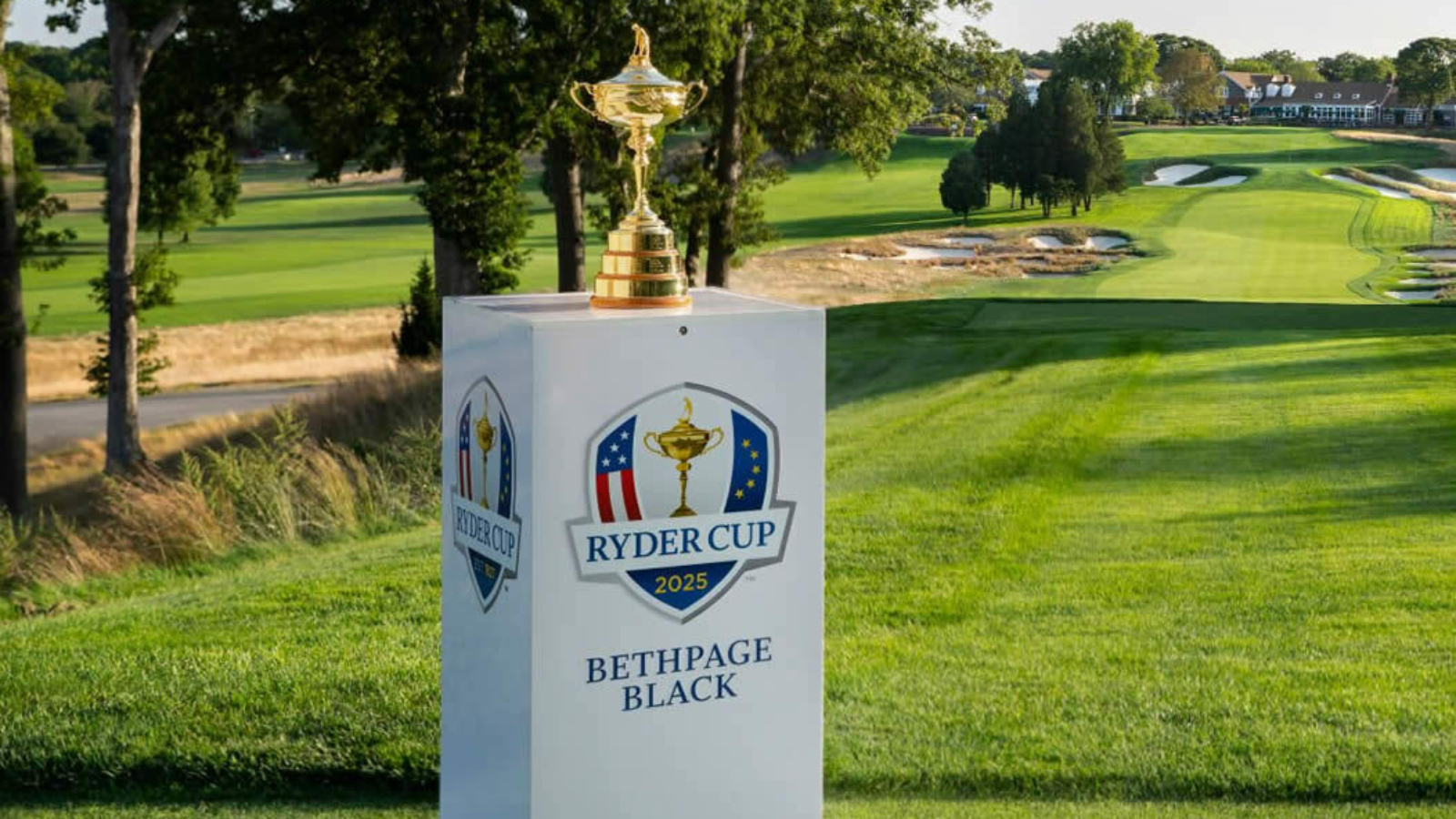
The Ryder Cup began in 1927 as a match between the United States and Great Britain. The competition quickly became one of golf’s most prestigious events.
Over time, the format expanded. First, Ireland joined the British team, and later, the entire European continent was included, creating the modern rivalry between Team USA and Team Europe.
Despite these changes, the Ryder Cup kept the same competitive structure. The event features three types of matches: foursomes, fourballs, and singles. All are played under match play rules.
Unlike standard tournaments, where players focus on individual scores, the Ryder Cup adds a team dimension. Each match contributes a point toward the overall result. Every hole played has implications for the entire team, not just the individual golfer.
Why Match Play Feels Different
Stroke play often feels like a race against numbers. Players focus on par, their scorecard, and the leaderboard. The pressure builds gradually as the tournament unfolds.
Match play creates a completely different dynamic. Each hole becomes its own contest. Players constantly adjust their strategy depending on their opponent’s performance.
If your opponent hits into trouble, you might choose a safer shot. If they stick an approach close to the pin, you may need to take a more aggressive line to keep pace. Strategy shifts from moment to moment.
Because of this, the psychological side of golf becomes even more important. Every shot directly affects the person standing across from you. The tension is immediate and personal.
This format has produced some of the most memorable moments in golf history. Fans still talk about Justin Leonard’s dramatic putt during the 1999 Ryder Cup at Brookline and Europe’s remarkable comeback at Medinah in 2012. Those moments carried extra emotion because the format magnified every shot and every reaction.
Team Spirit in an Individual Sport
Golf is usually an individual pursuit. Players compete for themselves, relying only on their own performance.
The Ryder Cup changes that completely. For one week, golf becomes a team sport. Players compete not just for personal pride but for teammates, captains, and their continent or country.
Partnerships become crucial. In foursomes and fourball matches, chemistry between players can determine the outcome. Some duos thrive on energy and communication, while others rely on calm, steady play.
Captains also play a critical role. They decide who plays with whom, when players take the course, and which golfers sit out sessions. These decisions can influence momentum across the entire event.
With national pride involved, emotions run higher than in almost any other golf tournament. The crowd energy, team celebrations, and shared pressure create a unique atmosphere rarely seen in the sport
Bringing the Ryder Cup Spirit to Your Own Game
Part of what makes the Ryder Cup so compelling is how simple the format is. Two players, one match, and a fresh contest on every hole. Momentum can change quickly, and no match feels completely safe until the final putt drops.
You don’t need to be a professional golfer to enjoy that same excitement. Match play works just as well among friends at a local course.
With platforms like GemGolfers, players can organize their own Ryder Cup–style events, forming teams and competing in match-play formats similar to those used by professionals. The setup is straightforward, but the experience can be just as engaging.
Playing in teams adds camaraderie and strategy to the round. Friendly rivalries form, partnerships develop, and each hole carries its own sense of drama.
In many ways, that spirit reflects golf’s earliest traditions. Match play brings the game back to its most direct form: two sides competing hole by hole, where every shot has meaning and every match tells a story.