

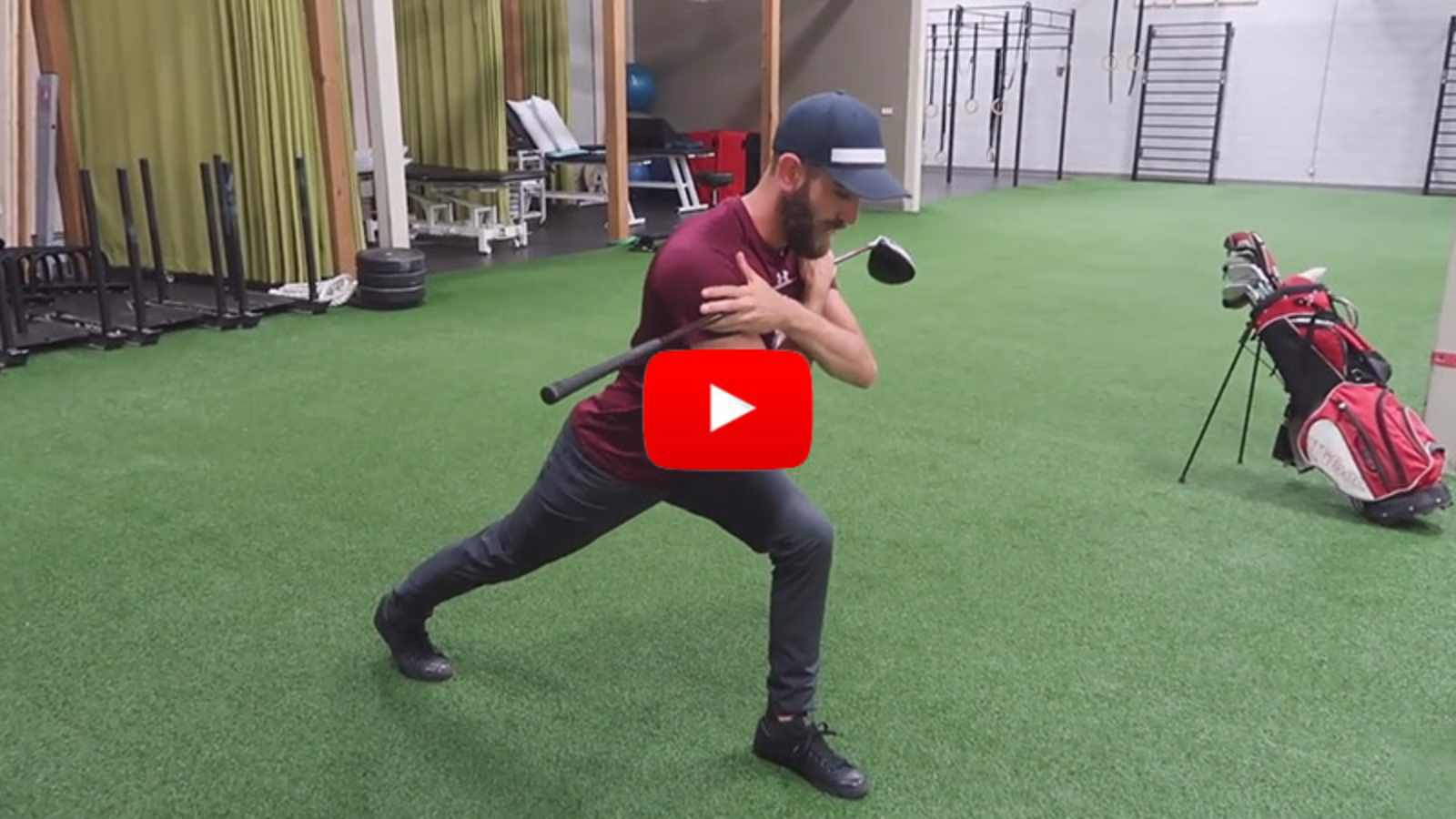
5 exercises to improve your golf swing
[vc_row][vc_column][vc_video link=”https://www.youtube.com/watch?v=K1Em5GtETdA”][/vc_column][/vc_row]




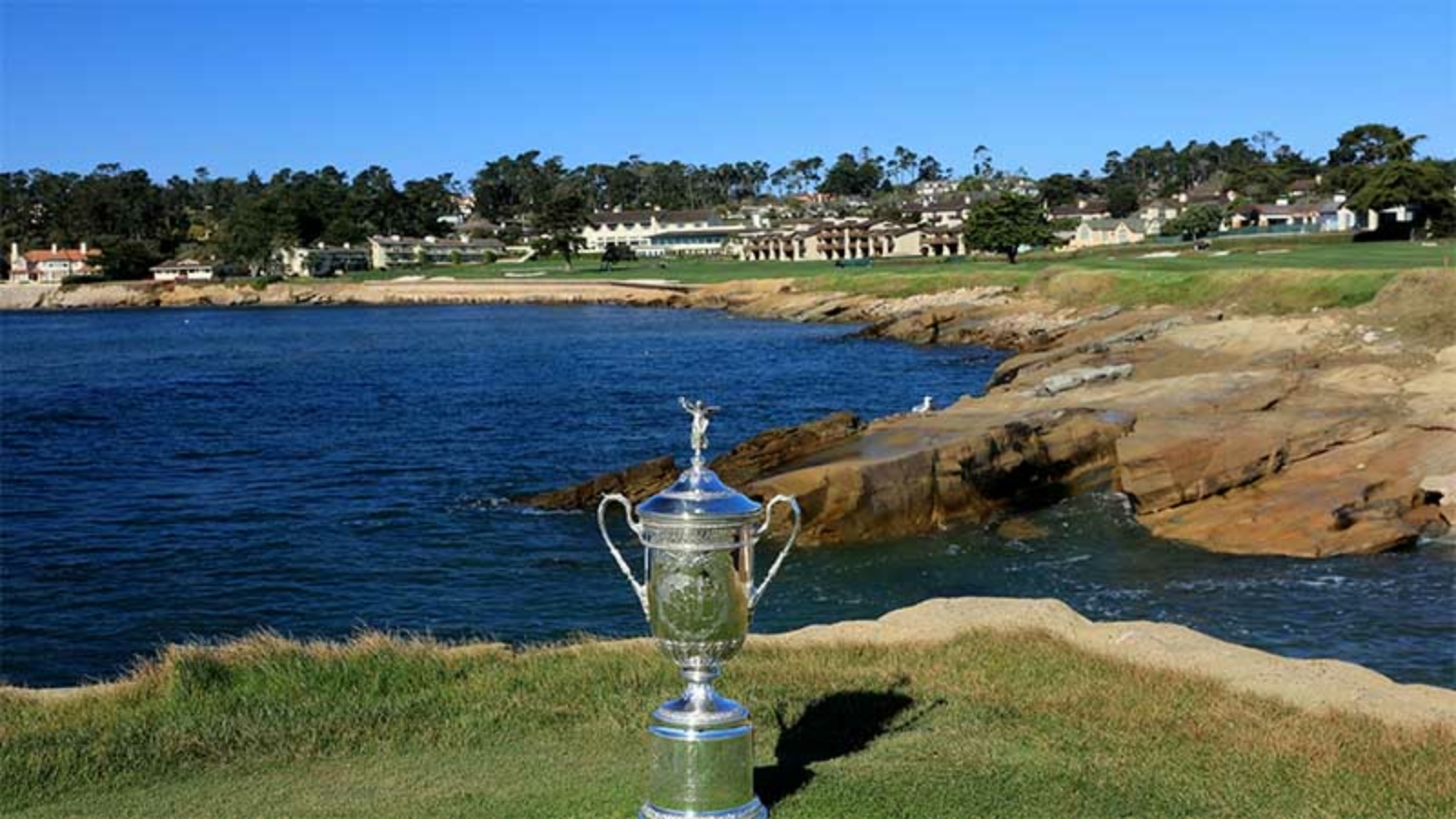
If those who lead the USGA needed any reminding about why they have returned to the Pebble Beach Golf Links with their championships so frequently over the past 93 years, they only needed to look out the window on Wednesday for their big announcement on the seaside grounds. Before them were bright blue skies with wispy white clouds and the sun shimmering off Stillwater Cove beyond the most famous finishing hole in golf. On its finest days, Pebble Beach is heaven on Earth, and the USGA knows it has a great thing going there. “Arguably, the greatest walk in golf,” mused John Bodenhamer, the USGA’s chief championships officer.
There are USGA championship sites that fall in and out of favor, become obsolete or lose their luster. Pebble Beach never has and seemingly never will, and now it has the largest commitment yet from the organization that seems to cherish it the most.
At a news conference, the USGA announced its single-largest package of championships yet for Pebble. Beyond the already slated 2023 U.S. Women’s Open and 2027 U.S. Open, six more events were added to the calendar that will take Pebble Beach’s association with national championships into the 2040s.
The U.S. Opens are scheduled for 2032, 2037 and 2044. The U.S. Women’s Opens will be played in 2035, 2040 and 2048. The latter of those championships will be played nearly 120 years after the U.S. Amateur, the first USGA event at Pebble, was contested in 1929.
“John [Bodenhamer] has promised that I can be a marshal on the 18th hole in 2044, so I’m pretty excited about that,” joked David Stivers, CEO of the Pebble Beach Company.
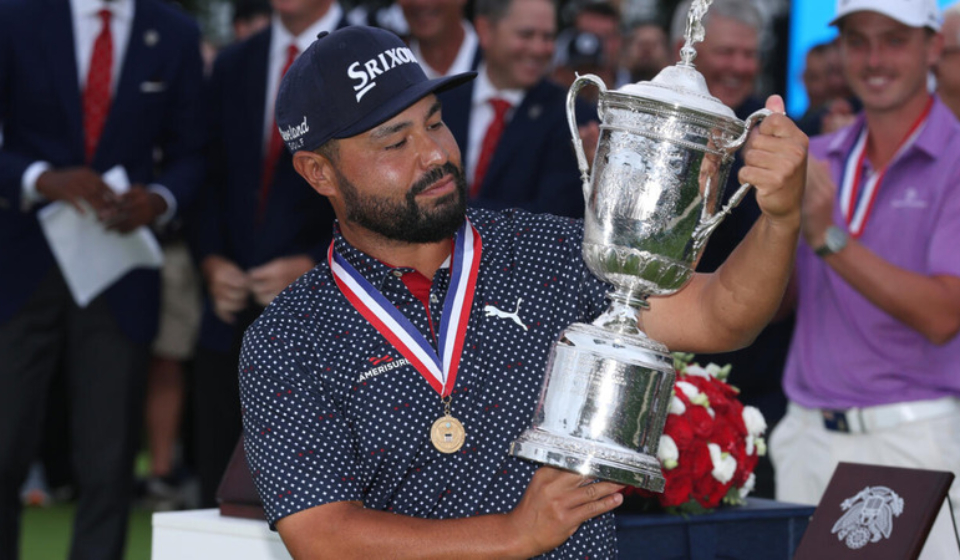
Pebble Beach is one of the USGA’s most iconic venues, having hosted 13 championships, including six U.S. Opens. Some past champions are among the game’s greatest: Jack Nickalus in 1972, Tom Watson in ’82 and Tiger Woods in 2000. In 2019, Gary Woodland joined the winners’ group that includes Tom Kite and Graeme McDowell with a three-stroke victory over Brooks Koepka.
In addition to the tournaments added at Pebble Beach, the USGA said it would hold the U.S. Senior Open and U.S. Senior Women’s Open in back-to-back weeks just down the road, at Spyglass Hill, in 2030.
With this latest USGA announcement, it has continued its move toward identifying “anchor” sites that will host numerous USGA championships over the next several decades. Pebble Beach joins previously identified Pinehurst Resort & Country Club in North Carolina and Oakmont Country Club in Pennsylvania as anchors. Other venues that have received multiple championships in recent announcements, but have not been labeled “anchors,” are Oakland Hills Country Club in the Detroit area and Merion Golf Club outside Philadelphia.
In March, the USGA announced eight championships for Oakland Hills, including the 2034 and 2051 U.S. Opens. Last August, while the U.S. Amateur was being played at Oakmont, it was awarded seven future events, including the 2028 U.S. Women’s Open, and the U.S. Open in 2033, 2042 and 2049. At that time Merion was also awarded the 2030 and 2050 U.S. Opens and the 2034 and 2046 U.S. Women’s Opens. In September 2020, the USGA identified its first “anchor site” when Pinehurst was given four additional U.S. Opens in addition to the previously scheduled Open there in 2024.
In September 2019, then-USGA CEO Mike Davis told Golf Digest, “It’s pretty clear that we love Pebble Beach, Pinehurst, Oakmont and Shinnecock. Those four meet all our criteria: They’re great tests of golf, they set up logistically either very well or well enough, and—being honest—we’re going to make money when we go there. We’re a nonprofit, but the U.S. Open financially supports everything else we do—all our other championships and all the golf programs we sponsor—among other things.”
Shinnecock Hills, the Long Island course that has hosted five U.S. Opens, is set to stage the 2026 U.S. Open, but it has yet to be identified as a future anchor.
Asked on Wednesday about the possibility of other anchor venues, Bodenhamer demurred and said, “You never know. I think there have been so many exciting things come down the road. Every one of these long-term relationships, whether they’re an anchor site or not, are different. … You’ll see more in the not-too-distant future. I don’t know what all that will be, but we’re excited about it.”
Not to be lost in the announcement about U.S. Opens is the bigger opportunities being afforded on the women’s side of the game. While the women’s venues over the past few decades have not been as recognizable or lauded, that is quickly changing. The USGA now has 17 U.S. Women’s Opens scheduled, and most of them have been in the rota for men’s major championships: Pebble Beach, Oakmont, Pinehurst, Oakland Hills, Merion, Erin Hills in Wisconsin and Riviera in Los Angeles.
“It’s not an accident,” Bodenhamer said. “Leading up to today, we see a number of things. We see a long-term nature to what we’re doing. There’s a strategy behind it. Five years ago, we re-thought our strategy. People ask why would we go out that far [on dates]? There’s some intentional reason to that.”
[vc_row][vc_column][vc_video link=”https://www.youtube.com/watch?v=AzCqG5RSp_8″][/vc_column][/vc_row]
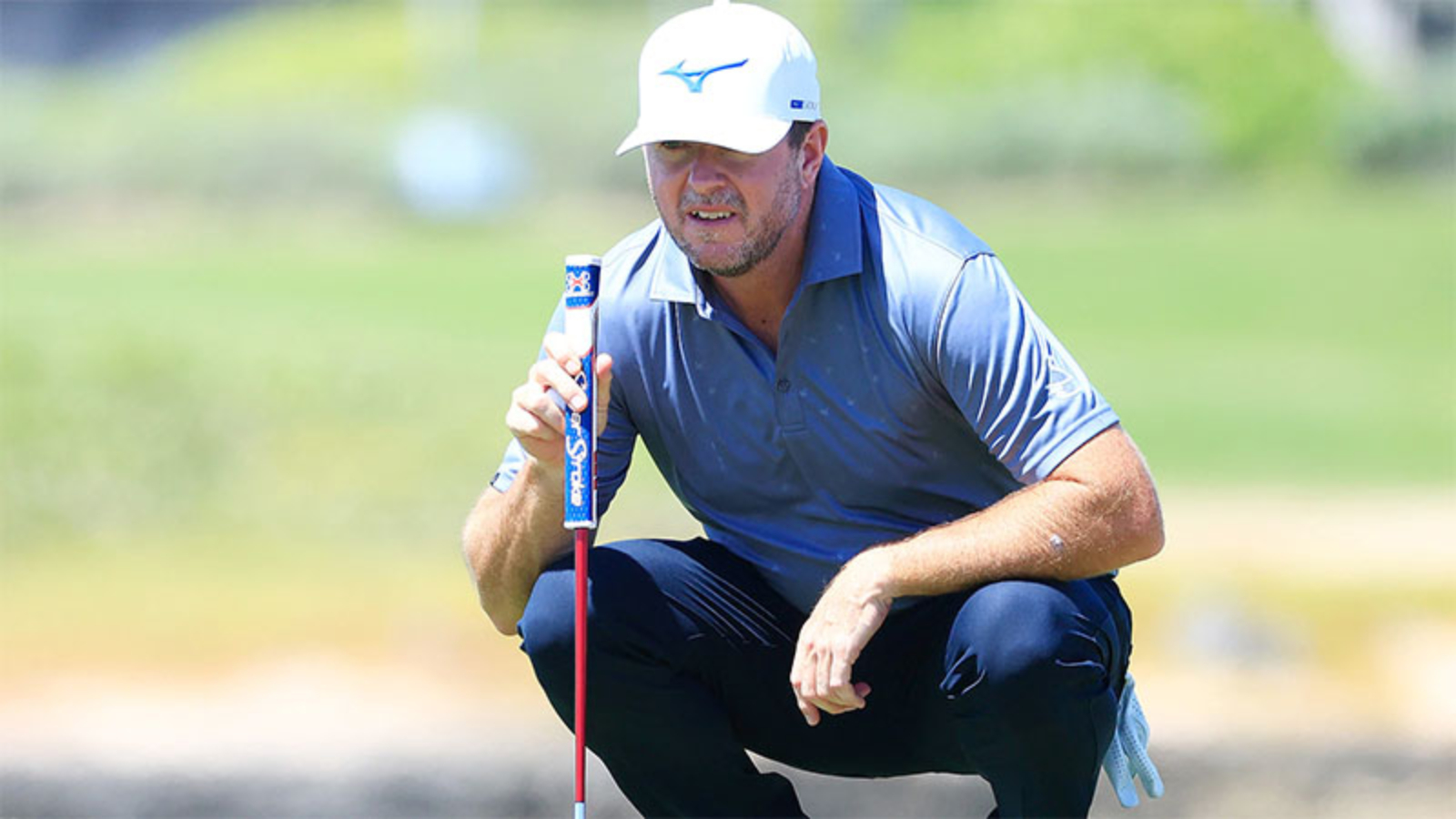
Robert Garrigus confirmed that he has requested a conflicting event release from the PGA Tour to play in the first LIV Golf invitational tournament in June.
Garrigus, who is playing this week’s Zurich Classic of New Orleans alongside Tommy Gainey, declined to further comment about his decision to play the LIV Golf event, which will be held outside of London in early June.
“I am grateful to have been given a sponsor exemption into this week’s event and I just want to focus on playing the best I can,” he said.
Garrigus, who played his last full season on the PGA Tour in 2018, is the first player to commit to the invitational series, which will feature eight events played around the globe with $25 million purses and a team component.
Under the Tour’s regulations, players must request a competing event release 45 days before the first round of the tournament they wish to play and the Tour has until 30 days before the competing event begins (May 10) to either grant or deny the request.
The Saudi-backed invitational series is a scaled-down version of what LIV Golf had planned, with rumors of an 18-event schedule with lucrative purses and a Formula 1-type team component. That concept appeared to fall flat in February when the game’s top players committed themselves to the PGA Tour. Instead, the invitational series is seen by many as an attempt to chip away at those commitments by creating a rival circuit with massive paydays.
The Tour regularly grants conflicting event releases, including more than a dozen requests earlier this year for members to play the Saudi International, which is part of the Asian Tour schedule.
“The commissioner shall be entitled, but not obligated, to grant additional releases when he determines that to do so would not unreasonably harm PGA Tour or the sponsor involved,” the regulation reads.
The Tour declined to comment on Garrigus’ request, which was first reported by Golfweek.
Although it seems likely Garrigus would be granted the release based on the circuit’s historic rulings, the Tour’s regulations do prohibit any member from playing a competing event held in North America. The next four events on the LIV Golf invitational schedule are set to be played in Oregon, New Jersey, Boston and Chicago.
Playing golf is a great way to enjoy low-impact exercise. It’s a competitive, social sport that involves frequent walking around a course.
However, the repetitive motion of swinging your club can cause pain and injury. This commonly affects the arms and back, but it can involve any part of the body because golf swings are full-body movements.
In this article, we’ll explore 9 essential stretches for golfers. These stretches can help:
It’s recommended that you do these stretches before and after every round of golf. For optimal results, you should also do a set on your days off.
Golf stretches that can improve your swing
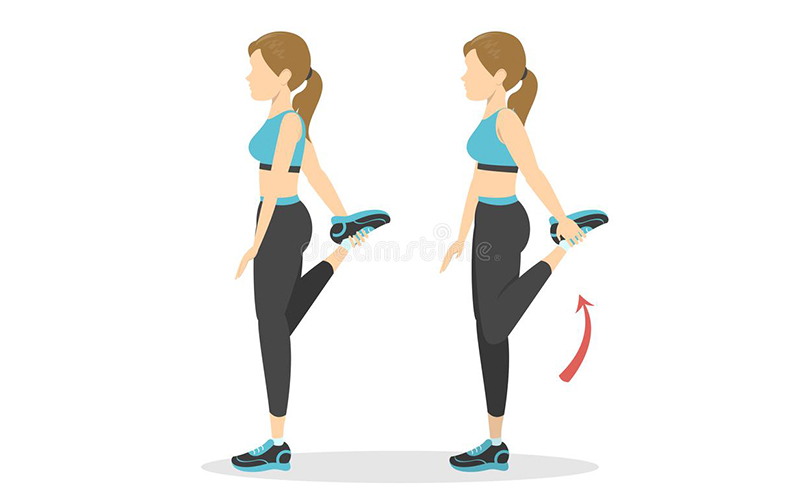
For a better golf swing, stretch your quadriceps. These muscles help move your knees, which help rotate your body.
You’ll need a bench or chair to do this stretch.
Quadriceps stretch
Start with your back facing the bench, feet hip-width apart. Place your hands on your hips or clasp your hands in front of your chest.
Bend your right knee. Rest the top of your right foot on the bench. Engage your right glute.
Bend the left knee, being careful to keep it aligned over the left ankle.
Straighten the left leg, returning to standing.
Repeat 2 to 5 times on each side.
Golf stretches for your back
Golfers often strain their back muscles. This stretch will help loosen tension in the area.
You’ll also need a bench or chair to do this move.
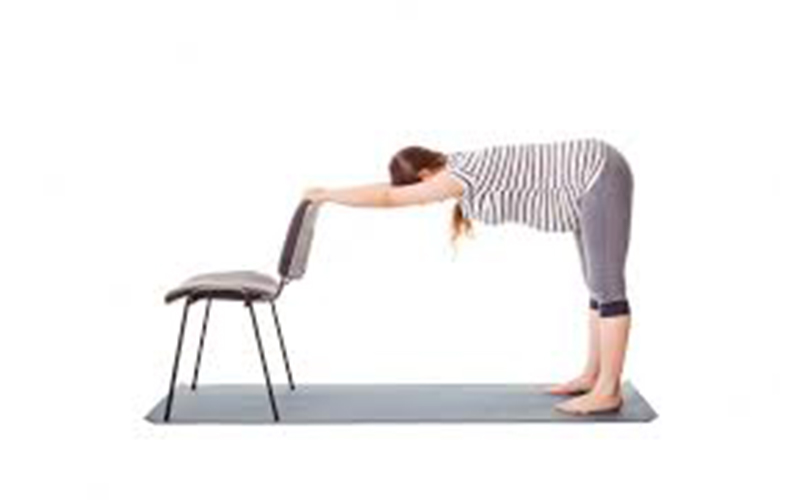
Forward fold with a chair
Start facing the back of the bench, feet shoulder-width apart. Hold the back of the chair and take a step back until your arms are extended.
Lower your upper body, keeping your back straight. Continue until you feel the stretch in your armpits. Hold for 30 seconds.
Repeat 2 to 5 times on each side.
Golf stretches for your hips
If you have tight hips, it may be difficult to squat during a golf swing. It also limits how well you can rotate your body.
To open your hips, try the following moves:
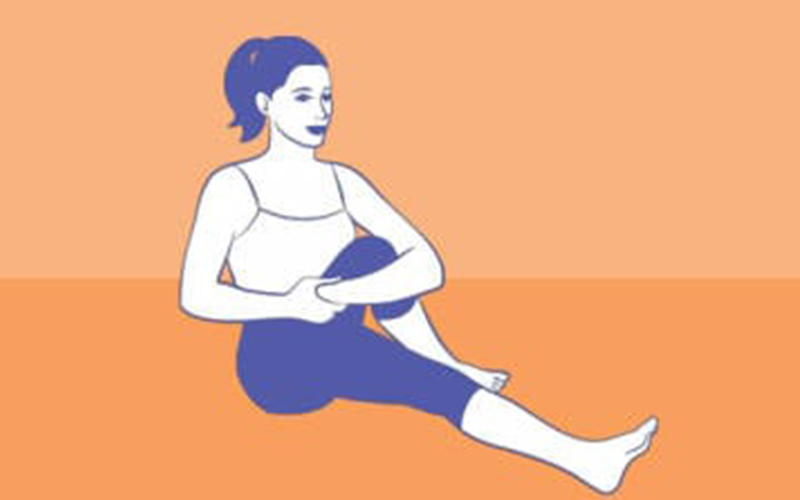
Seated hip stretch
This stretch relieves tightness in your hips, thighs, and back.
Sit up straight on a bench, a chair, or the floor. Put your left ankle on top of your right thigh. Plant your right foot on the ground.
Move your torso forward, bending at your waist. Continue until you feel the stretch in your left hip. Hold for 30 seconds.
Repeat 2 to 5 times on each side.
Kneeling hip stretch
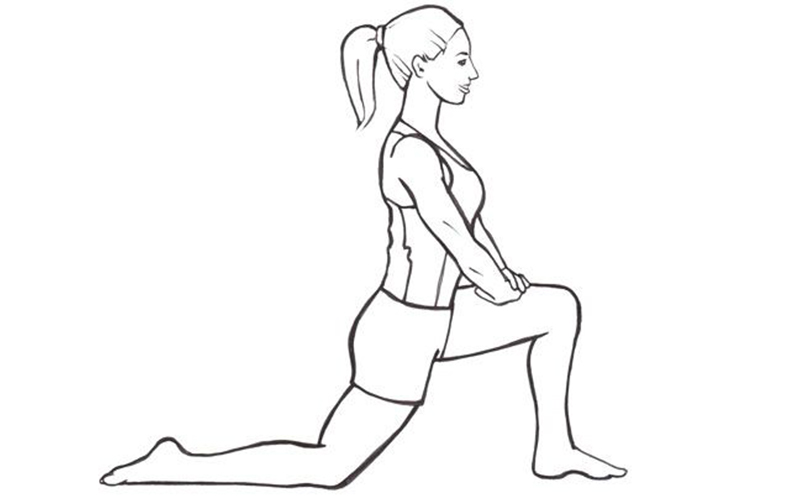
If you can comfortably kneel on the ground, try this move. It’s great for stretching your hips, butt, and thighs.
Start on your knees, back straight. Plant your right foot on the ground, directly under your right knee. Position both knees at 90 degrees.
Lay your hands on top of your right thigh. Pull your shoulders away from your ears. Contract your core.
Slowly move the right foot forward, keeping the ankle below the knee, and lean forward until you feel a stretch in the left hip flexor. Hold for 30 seconds.
Repeat 2 to 5 times on each side.
Golf stretches for your elbows
The repetitive motion of golfing can lead to golfer’s elbow. In this condition, the muscles in your elbow and forearm become inflamed, causing pain and tenderness.
The following exercise can provide relief. It stretches the muscles in your forearm, which reduces tension in the elbow and arm.
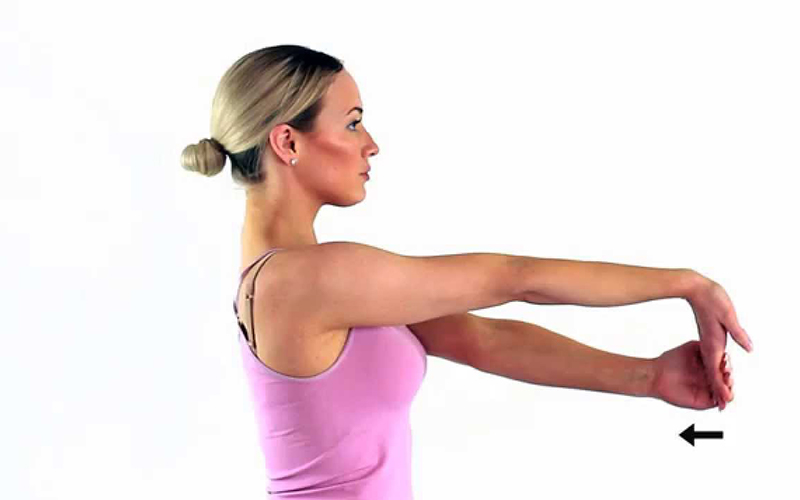
Golfer’s elbow stretch
Extend your right arm in front of you. Face your palm down.
Use your left hand to pull your right fingers down and toward your body. Hold for 30 seconds.
Return your palm to starting position. Pull your wrist up and toward your body. Hold for 30 seconds. This completes one rep.
Repeat 2 to 5 times on each side.
You can also try this stretch with your palm facing up.
Golf stretches for your wrists
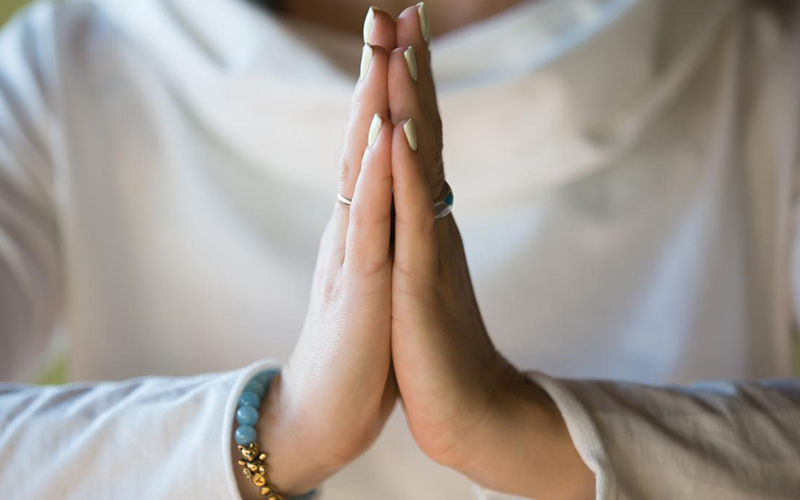
The above exercise feels great for the wrists. But you can also do the prayer stretch to further stretch your wrists. This move can help relieve carpal tunnel syndrome caused by constant gripping.
Prayer stretch
Press your palms together. Place them in front of your chest.
Move your hands toward your waist, keeping your palms against each other.
Hold for 30 seconds. Repeat 2 to 5 times.
Golf stretches for your core
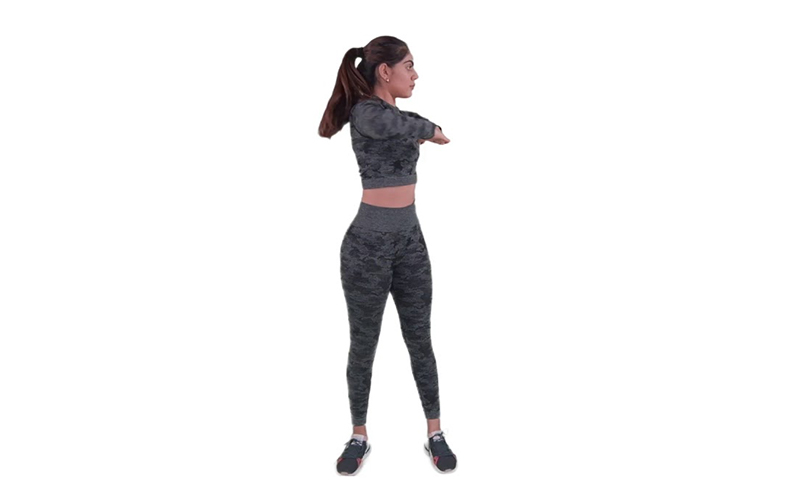
A fluid golf swing relies on strong, flexible core muscles. This move stretches these muscles so you can turn with ease. It mimics a backswing and follow-through.
Core twist stretch
Stand up straight, feet shoulder-width apart. Cross your arms over your chest.
Bend your knees and lean your upper body slightly forward.
Turn your torso to mimic your backswing. Pause.
Rotate your body to mimic your follow-through. Hold for 30 seconds.
Repeat 2 to 5 times.
Golf stretches for your hamstrings
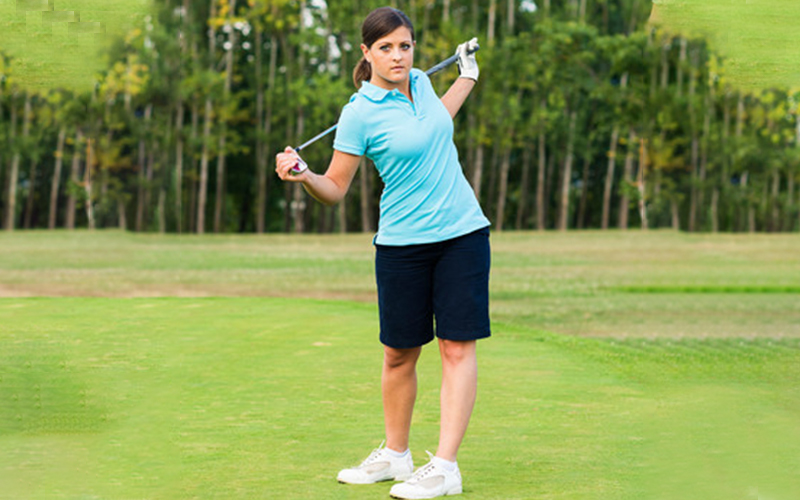
Your hamstring muscles are in the back of your thighs. They allow knee rotation and thigh extension, letting you turn during a golf swing.
To loosen them up, do this stretch. You’ll need a golf club and a step.
Hamstring stretch with golf club
Place your golf club behind your shoulders, holding one end in each hand. Stand in front of a step.
Set your right heel on top of the step, knee bent slightly. Lean forward at your waist, back straight.
Rotate your upper body to the right. Hold for 30 seconds. Repeat to the left. This completes one rep.
Switch legs and repeat. Repeat 2 to 5 times.
Golf stretches for your shoulders
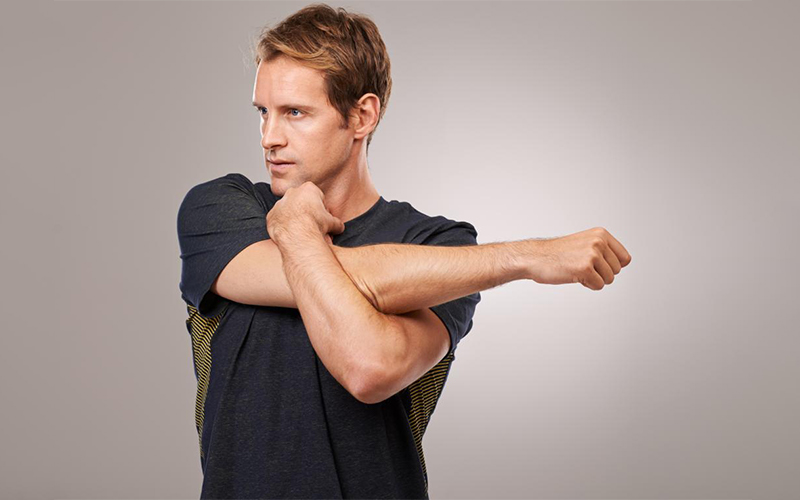
Golf swings are also hard on the shoulders. Try this golf stretch to manage shoulder pain.
Shoulder swing stretch
Start with your feet shoulder-width apart. Raise your right arm across your chest, placing the opposite hand on your right elbow.
Move your right wrist toward your left thumb, pointing your thumb upward.
Rotate your torso to the left. Tug on your right elbow. Hold for 30 seconds.
Hold your left elbow with your right hand. Turn your torso to the right and hold for 30 seconds.
Repeat 2 to 5 times.
Key takeaways
If you play golf, use these stretches as a warmup and cool down. You could also warm up by taking a few light swings.
In addition to regular stretching, applying ice and taking rest days can help manage pain.
Seek medical help if your pain lasts for more than 2 to 3 days or if you feel sudden, sharp pain during a game.
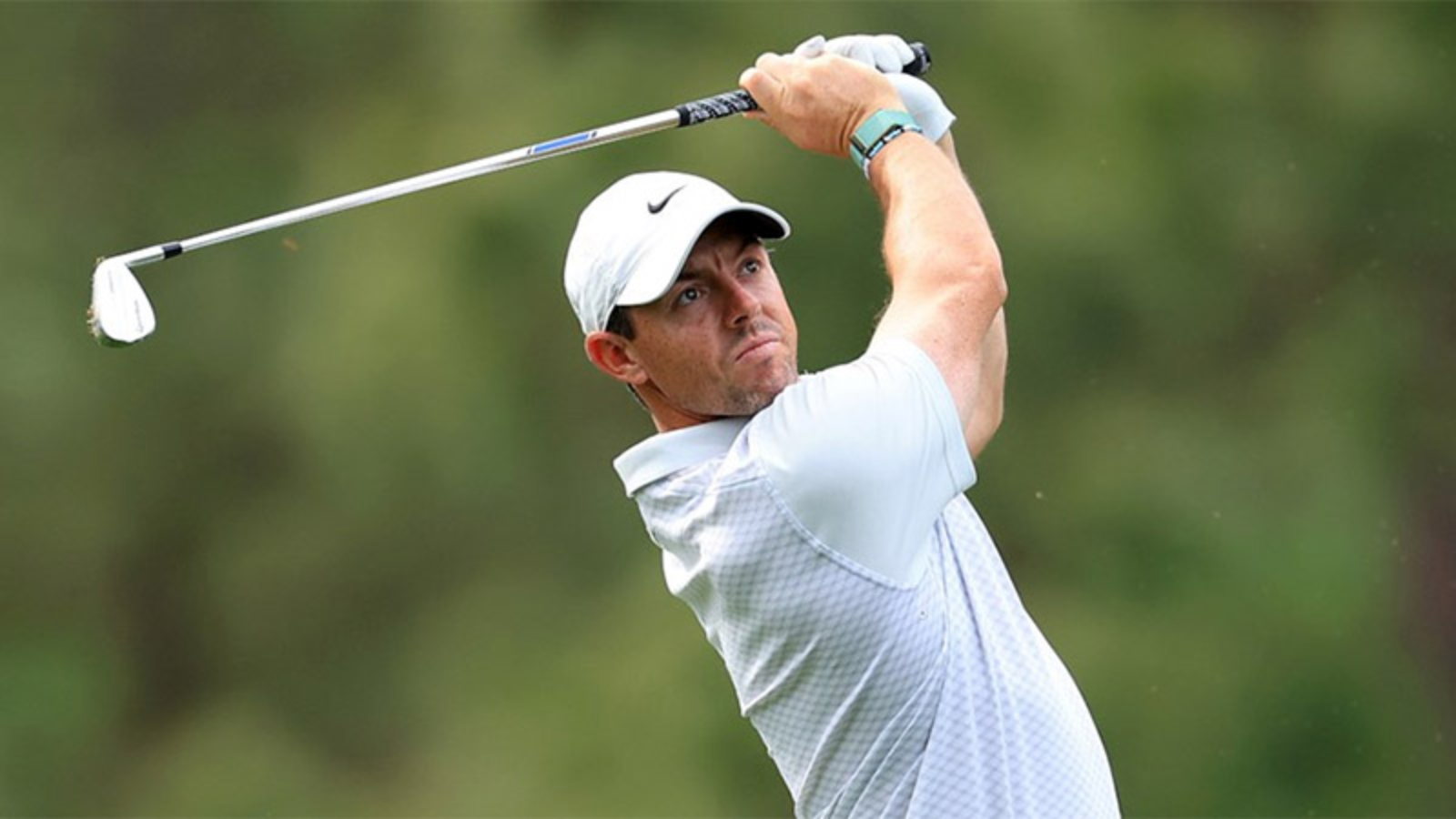
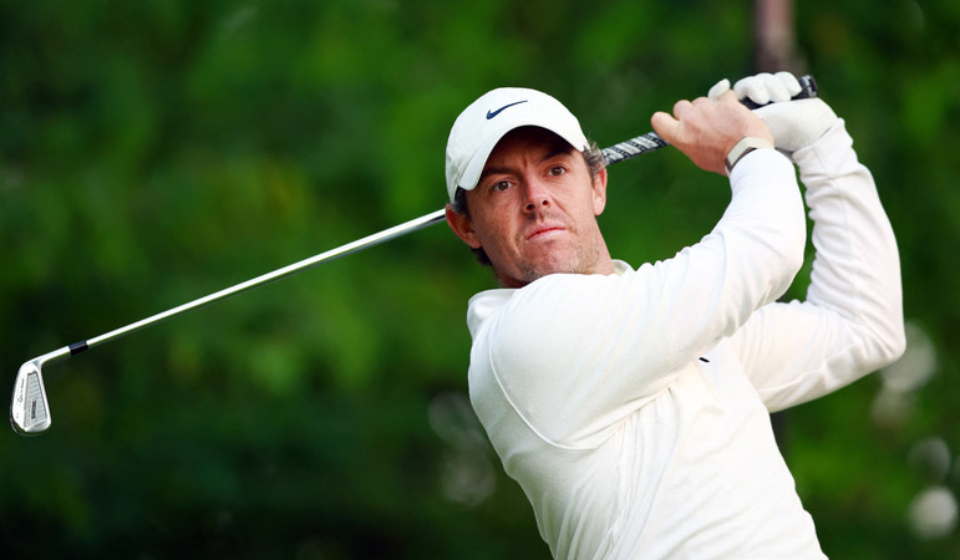
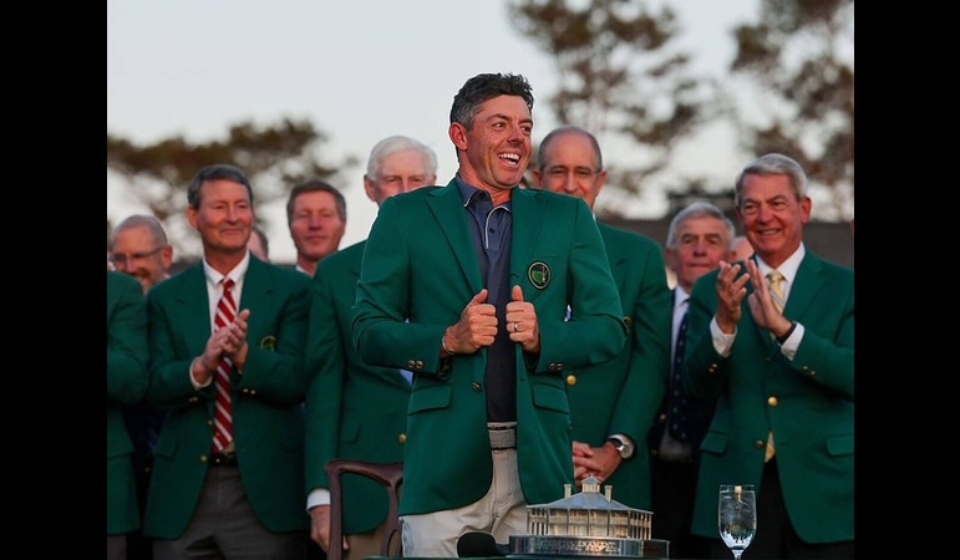
AUGUSTA: Rory McIlroy says experience has taught him that he must play against his golfing nature to have his best chance at winning the Masters to complete a career Grand Slam.
The four-time major champion from Northern Ireland seeks his first major title since 2014 this week at Augusta National in his 14th Masters start.
Experience has taught McIlroy to value discipline and patience on the famed course in a different manner than he usually would.
“It feels like playing very negatively, playing away from trouble, not firing at flagsticks, not being aggressive,” McIlroy said Tuesday.
“It feels like a negative game plan, but it’s not. It’s just a smart game plan. It’s playing the percentages.
“Sunday, if you need to take risks, you take risks, but for the first 54 holes, you just have to stay as disciplined as possible.
“That goes against my nature a little bit, so it’s something I have to really work hard on.”
McIlroy said the mental challenge posed by the Masters puts the pressure on the shotmaking, pointing to Dustin Johnson’s 2020 victory as an example of the shots Augusta National makes you play.
“He basically did everything that this golf course asks of you,” said McIlroy. “That’s what this place is all about. It’s as much of a chess game as anything else, and it’s just about putting yourself in the right positions and being disciplined and being patient and knowing that pars are good.
“Even if you make a couple of pars on the par-5s, that’s OK and you just keep moving forward.”
For all of the spectacular shots the Masters has produced, McIlroy says winning comes from making routine ones well before the great ones.
“I think that’s what wins you Masters,” McIlroy said. “You see the highlights of people hitting heroic golf shots around here, but that’s just one golf shot. The rest of the time, they’re doing the right things and being patient, being disciplined, and that’s what wins you green jackets.
“It’s about playing to the fat part of the green, being somewhat conservative. You don’t have to do anything spectacular.
“You just have to be solid and play your game and execute your shots and stay out of trouble and avoid the big numbers.”
A victory this week would make McIlroy only the sixth golfer to complete career Grand Slam, joining Tiger Woods, Jack Nicklaus, Gary Player, Gene Sarazen and Ben Hogan.
“I’ve always said time is on my side, and I’ll keep saying that until it isn’t, whenever that is,” McIlroy said. “I’m 32 with a ton of experience… I’ve got a few more gray hairs than I used to, but I’m still young at heart.”
Seeing Woods, Lee Westwood and others playing deep into their 40s gives McIlroy a sense that he will have many more chances to claim a green jacket.
“When I’m their age, I’ll have been on tour 30 years,” he said. “You can have an unbelievably long career if you keep yourself healthy.”
Ninth-ranked McIlroy won his 20th PGA title at the CJ Cup last year in Las Vegas. He missed the cut last week at the Texas Open but said he benefitted more from two days of weekend practice at home.
“My game is in good shape,” he said. “It has felt better than the results have maybe suggested the last few weeks.”
McIlroy had his best Masters showing with a fourth-place finish in 2015 in his first bid to complete the Slam at Augusta National.
In 2011 he led for three rounds but stumbled to a final-round 80 and shared 15th, only to win his first major title two months later at the US Open.
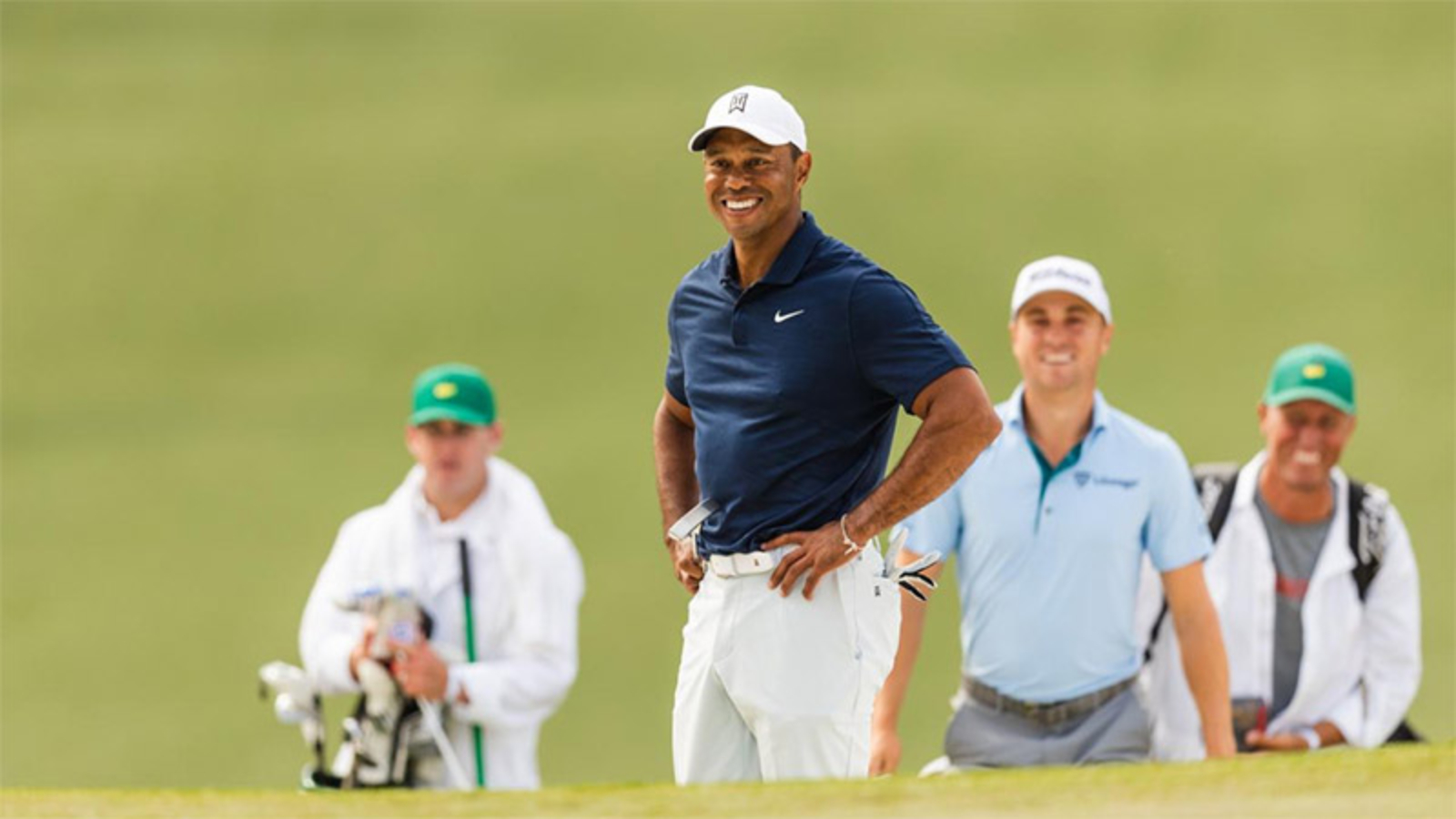
After a few hellos to the boys and a measured walk to the short-game area, Tiger Woods entered his comfort zone: three bags of balls, two wedges to alternate between and a bentgrass canvas to work with. Flanked by caddie Joe LaCava and right-hand man Rob McNamara, Woods hardly said a word as he flashed his full arsenal of short-game magic on Monday at the Augusta National practice area. He drew chips to climb up slopes and then he cut chips to spin down them. He nipped one-hop-and-stoppers and compressed back-footers. He hit a number of 4-iron bumps, a new shot he’s grooving to use around some of Augusta National’s reworked greens—like No. 3, where the false front has been steepened even further.
Woods sure didn’t look like a player still unsure of his plans for the next couple days. The official word from Woods is that he’s a “game-time decision” for the Masters. But after playing a nine-hole practice round for the second consecutive day, all signs would suggest Woods will start chasing a sixth green jacket and a 16th major championship on Thursday.
If you closed your eyes between shots, you’d have no idea Woods needed surgeons to essentially rebuild his right leg after a car accident less than 14 months ago. He looked like the rest of the pros during his 30-minute range session—hitting those floaty wedges that seem to almost knuckle in the air, flagging iron shots at flags and bringing out the launch monitor for the fairway wood and drivers. Woods hit four drivers total on the range. The first two were slight cuts, which McNamara said registered in the low 170s ball speed—slightly above PGA Tour average—one was a high straight ball that traveled 304 yards uphill, the last a low peeling fairway finder.
Woods looked far more comfortable ripping driver than he did walking to greet Bubba Watson, or up a slight hill to bear-hug his former coach Sean Foley, who was sporting a blood-red Nike sweater with the TW logo on the backside of the collar. Woods’ gait is by no means seamless; it’s not quite a limp, because it’s more due to the angle of his ankle and the length of his legs than any pain avoidance. But it’s there, an unfortunate reminder of his new reality.
Of course, his presence on these hallowed grounds is borderline surreal. Rory McIlroy said last week that he saw Woods a few months ago and didn’t think he could possibly tee it up in the year’s first major, and Woods’ inner circle held the same belief. But he made serious strides over the last month, according to a source close to Woods, and has played multiple 18-hole rounds back home at Medalist in preparation for this week. He still gets sore after a few hours on his feet swinging clubs, but it’s not a sharp pain.
After Woods wrapped up his range session, he watched his adopted younger brother Justin Thomas smack driver after driver, surely thinking something along the lines of I remember when I could do that. He was then driven toward the golf course, where a four-deep tunnel of people showered him with pure adoration. Woods couldn’t keep the smile off his face, nor could the patrons, nor could playing partners Thomas and Fred Couples. Woods’ face betrayed a deep happiness to be back in competition mode, worrying not about whether he can walk but about whether he can hold an 8-iron into a right-to-left wind.
A grown man, overwhelmed by the moment, spoke for the entire crowd: “I’m about to f—in’ cry.”
After rolling a few, Woods stepped to the first tee amid what has to be the largest practice-round gallery in recent memory. He striped his first tee shot down the center and played his second safely to the middle of the green. He missed the putt, but he hardly read it, which is how he approached putting all day—less concerned with any potential score and more with hitting lag putts over slopes and chips from popular run-off areas. Again, if he’s truly not sure whether he’ll play, he’s hiding it well.
He pushed his tee shot into the bunker just right of the fairway at the par-5 second then played safely down the fairway. It’s what happened next that was most encouraging: He said a few words to LaCava with a smile on his face and kept chatting and kept smiling as he used his right leg to push himself out of the bunker without incident.
Woods striped his tee shot on the third then played safely onto the newly rebuilt green. He pulled his tee shot into the long par-3 fourth long and left, which is the miss he’s fighting. Sometimes his body gets a tad slow, he doesn’t clear onto his left side and the swing gets army. It’s understandable, given the circumstances.
He split the fifth fairway and played a beautiful long iron to birdie range but didn’t bother with the putt. A slight pull again on No. 6 was washed away by a pumped drive on the seventh, only five or so yards behind Thomas. His approach just carried the bunker, hopped forward and spun to a quick halt, which drew one of those oooohs! from the patrons. He took his time walking up the hill that guards the front of that green, fully aware of his physical limitations. But he made it up just fine, and then he resumed practicing.
“What impressed me the most is he’s bombing it,” Couples said after the threesome finished up on 9. “I know JT is not the longest hitter on the tour, but he’s damn long, and he was with him. Flushing it. I never speak for Tiger so I’m not going to get into … he walked nine holes, I guess he walked nine yesterday, but as a friend, the way he looked, it’s very impressive.”
“It’s a Monday, right? But he didn’t miss many shots and he drove it great.”
Couples then gestured toward his left, up toward the putting green. There was Woods, getting some extra practice in before the light left the grounds.
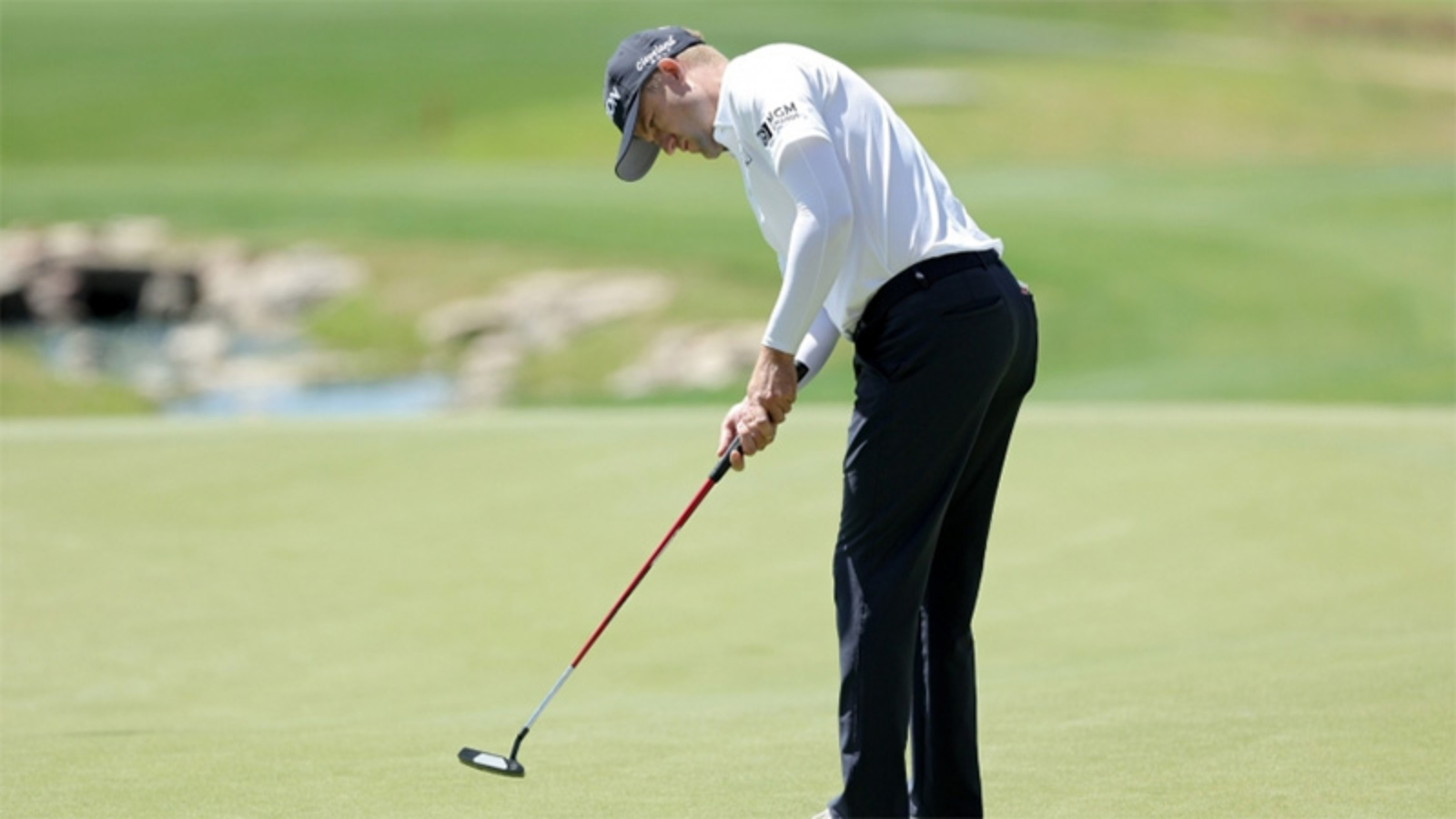
Russell Knox recorded four straight birdies on the back nine and fired a 7-under 65 on Thursday for a one-shot lead after the opening round of the Valero Texas Open.
Knox closed out his round with a seven-foot putt to save par at the par-5 18th at TPC San Antonio, and was one shot ahead of Rasmus Hojgaard.
Hojgaard fired a 66 despite a double bogey on his final hole. Matt Kuchar is another stroke back after an opening 5-under 67 and is among a group that includes Denny McCarthy, Aaron Rei and J.J. Spaun.
Defending champion Jordan Spieth and Rory McIlroy finished at even-par 72. They were outside the top 60 after one round and could flirt with the cut line on Friday.
Bryson DeChambeau had a 1-over 73. After holing a bunker shot for eagle on his 11th hole and following with a birdie on the next, he made bogey on four of his last six holes.
Knox, a 32-year-old Scotsman with two career PGA TOUR wins, started his birdie streak at No. 12. All of his birdie putts were inside 10 feet. At the 15th, he was about 20 feet away from a back pin position following his approach and chipped in from the fringe. It was his second chip-in in the round.
“That was one of those kind of bonus birdies that you need when you’re going to have a good day,” Knox said. “Obviously thrilled with the round. It’s been more of the way I want to play.”
Hogjaard, a 21-year-old from Denmark and two-rime winner on the DP World Tour, had his sights on the first-round lead heading to his closing hole. But, his drive sailed well left of the fairway. It took him four shots to reach the green on the par-4 ninth.
“I had to chip sideways back into the fairway,” he said. “Just was a little too aggressive after that. Yeah, short-sided myself and I didn’t get up and down and suddenly you walk away with double-bogey. Yeah, that was a bit annoying, but it happens.”
Kuchar was 5 under after 11 holes. Thirty feet away from the pin on the next hole, he failed to get up and down and missed a seven-foot putt for par. He got a shot back with a birdie on his 14th hole, and parred out, falling short in a bid to match his season-best round of 64 at the Sony Open in Hawaii, where he finished in the top 10.
“A lot of good and bad that can happen here on this course,” Kuchar said. “I was kind of managing early on in the round and then found a little something on about the fifth or sixth hole. I started having some birdie chances and converted on a few late in my first nine.”
Kuchar has won nine times on the PGA TOUR. McCarthy, Rai and Spaun are looking for their first.
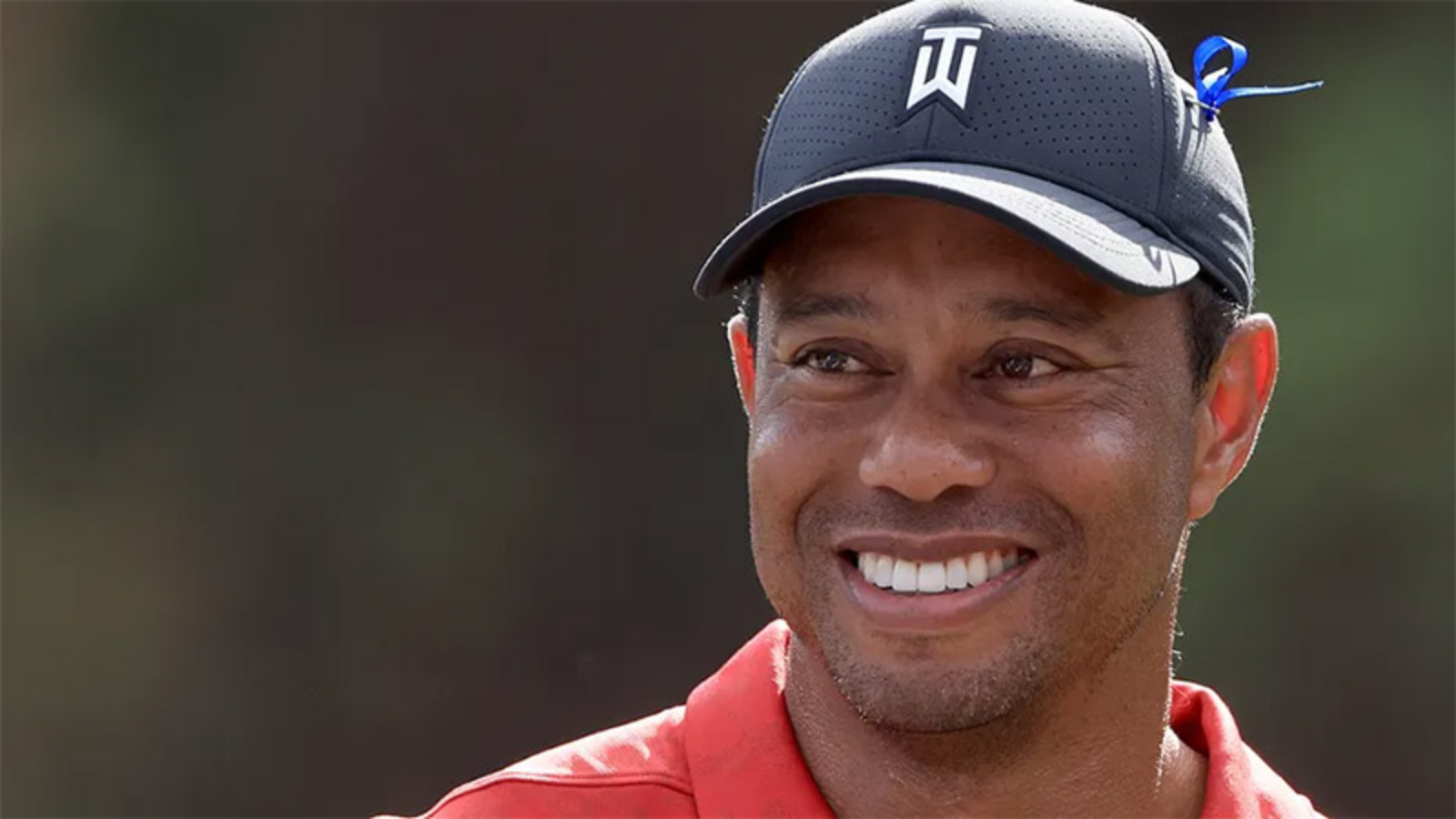
Speculation over whether Tiger Woods would play at the Masters next week in Augusta, Georgia, ramped up when his plane was spotted at a local airport and he reportedly took part in an 18-hole practice round.
While Woods has been seen on the golf course multiple times — even taking part at the PNC Championship in December — he has yet to compete in an event this year and has said he wouldn’t compete on the PGA Tour full time as he once did.
Woods has had back issues over the last decade and broke a leg in a February 2021 car crash in Los Angeles. Board-certified orthopedic surgeon Dr. Rahul Shah told Fox News Digital in a recent interview Woods’ injury history is “definitely eye-opening” but each injury and recovery process is different.
“The truth is you have to take each injury one step at a time. If you kind of chronicle his injuries, you start with multiple bumps and bruises growing up and then he had the significant torquing injury to his back where he blew out one of his discs,” said Shah, who specializes in complex spine conditions and minimally invasive surgeries.
“That gave him a problem, and he had to shave that down. Then it happened again, so they did another shave down. But it wasn’t enough, so then they had to do a surgery to basically get all of the area where that disc wasn’t working well to basically have it fused together.
“He recovers from that and all of these, of course, are salvages to try and get him on his wing. What this really speaks to is the amount of prior runway he had, the amount of ability he had because all of these (injuries) are basically whittling away at his skill.
“Then he gets into this unfortunate (car) accident and what I can tell from what was leaked to the media, it seemed like it was going to be a while before he came back, and he’s made a significant recovery even faster than expected.”
Shah said it’s clear Woods is back in the mindset of being focused on his recovery and getting back on the course. He said playing in smaller competitions could help him ramp up for the bigger tournaments.
“Additionally, he’s made some significant progress with regards to playing small games,” Shah said. “There’s nothing like making progress in smaller arenas just to make sure you’re going to be able to make progress in bigger arenas. He recently had that father-son golf game, and he did well.
“I think that, overall, things are going to be more difficult, but he clearly has the skill set and wherewithal and the mental memory (and) the muscle memory that he’s cultivated to be able to at least give him the ability to make progress in some of these tournaments that are coming up.”
Woods’ last PGA Tour tournament was the Masters in November 2020, which was pushed back due to the COVID-19 pandemic. He hasn’t played a PGA Tour competition since. And while there is always a risk of injury, it’s the little steps he’s made in getting back into a rhythm that will help him.
“I think his likelihood for injury is higher. Is it catastrophic? The answer is no,” Shah said. “And the reason is because he’s basically gone through some smaller venues and has made progress and has been able to hold up. That tells you he has the stamina and ability to make progress.
“The real question is will he be able to hit the ball in the way he was able to prior to be able to get to where needs to be. And I think that may not be the perfect comparison or starting point. I think what we need to do is see how he makes progress and use his current games as his new baseline.”
Shah, a former team doctor for the Orlando Magic and partner with Premier Orthopaedic Associates in New Jersey, expressed optimism Woods would be able to play the full four rounds.
“I think there’s a significant possibility that he will, particularly because he’s been training for it. We don’t see the training that he’s done behind the scenes. So, I do think that there is a really reasonable chance,” Shah said. “I would put it better than say 80% he can make all four days.”
The first round of the Masters begins April 7 and runs through April 10. Hideki Matsuyama is the reigning champion. He beat Will Zalatoris by one stroke in 2021.
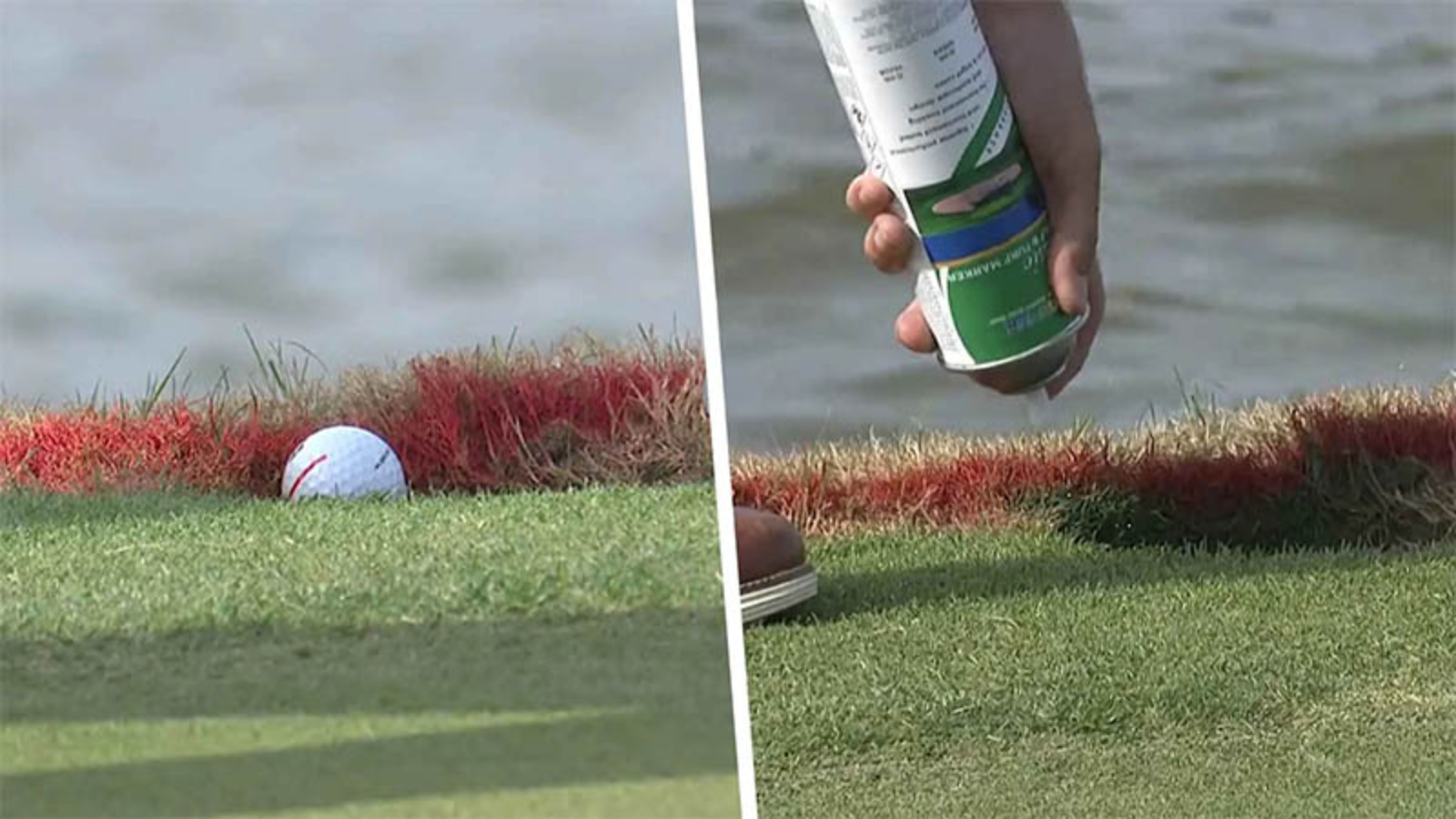
The Rules of Golf, they giveth and they taketh away. And sometimes, the rules are so weird that they do both. Wednesday provided one of those bizarre instances at the WGC-Match Play, at Austin Country Club, in Texas. Bryson DeChambeau benefitted. Thomas Pieters did not.
Earlier in the afternoon, Thomas Pieters was 3 up when his second shot on the par-4 13th came to rest on top of a sprinkler head, positioned just off the green and just inside of the water hazard line. The sprinkler head was so close to the hazard line that the red paint actually crossed over the edge of the head. The preciseness of it was important.
Pieters’ ball, resting on the sprinkler, cozied up against the red-painted grass. Since it was touching the hazard line, it was deemed to be “in the hazard.” The Rules of Golf took over from there, and Pieters was forced to take a penalty drop from the hazard or play his ball from the sprinkler head. He chopped it back into play, technically, but it was moot at that point. Tom Hoge had made his birdie, and Pieters lost the hole without getting free relief.
Not two hours later, DeChambeau found himself in essentially the exact same scenario in his match against Richard Bland. After his second shot rolled and rolled and rolled through the green, it dropped down into the depression of the sprinkler, right up against the hazard, just as Pieters’ ball had. As you can see in the pictures below, almost nothing separates the two.
“PGA Tour officials don’t make many mistakes,” on-course reporter John Maginnes said, ”but for that hazard line to be painted that way is a mistake.”
PGA Tour rules official Craig Winter agreed with him. Just because Pieters’ ruling was unfortunate, doesn’t mean that the Tour was incapable of doing something about it. Winters decided that two wrongs don’t make a right, and after being called in for a closer look, clarified that the painted line was incorrectly positioned, and that DeChambeau was entitled to free relief.
For as quick of a decision as it was, that didn’t make it any less confusing. Generally when courses are prepped for play, little is done to alter the borders of the golf course during a round. And if this wasn’t a match play championship, it’s possible we would have seen a different ruling, too, because Pieters’ score Wednesday had little to nothing to do with DeChambeau’s.
To avoid any further confusion moving forward, Winter even came in to erase the red paint crossing the sprinkler head and cover it up with some green paint. Mark that down as a new one for this Rules writer.